Exercising during Pregnancy Part 2 of 2: The Role of Physiotherapy
Article by Lisa Purzner
Physiotherapists can support pregnant women in maintaining a healthy activity level without added discomfort by prescribing an individualized and modified exercise program.

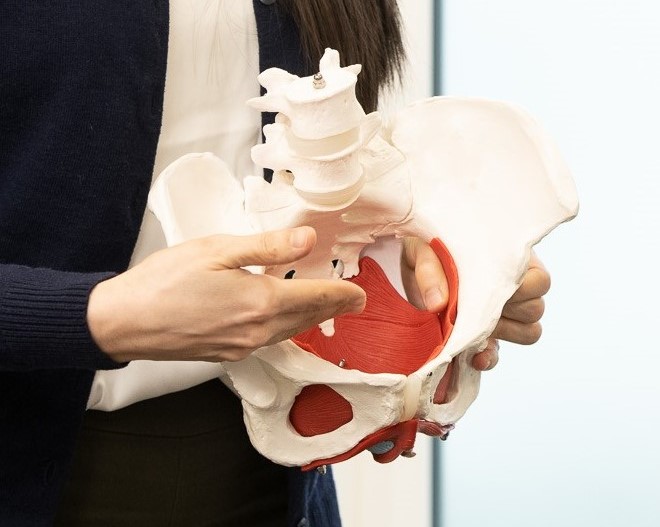
During pregnancy, a woman’s body undergoes a significant transformation. These changes include an enlarged uterus, weight gain, and changes to the hormonal, cardiovascular, musculoskeletal, gastrointestinal, and urinary systems. Physiotherapists can support pregnant women in maintaining a healthy activity level without added discomfort by prescribing an individualized and modified exercise program. Certain positions such as lying on your back may become uncomfortable and symptomatic during the second trimester; physiotherapists can modify exercises to ensure that you are safe and comfortable while remaining active.

Pelvic floor physiotherapists can teach pregnant and postpartum women how to perform pelvic floor muscle training to decrease the risk of or improve urinary and fecal incontinence, shorten the second stage of labour, reduce severe perineal trauma and improve symptoms associated with pelvic organ prolapse. Pelvic floor exercises can strengthen and improve the coordination of the pelvic floor muscles and provide more support to the pelvic organs. Pelvic floor physiotherapy can also include education on proper pushing techniques, breathing exercises and different positions than can optimize the birthing process. Physiotherapists are your movement experts during pregnancy and postpartum!
Resources:
You May Also Like...
-
 ArticleView Post
Sarcopenia - Age Related Muscle Atrophy
Sarcopenia is a natural, progressive loss of skeletal muscle as we age. Fortunately, this process can be slowed down.
-
 ArticleView Post
Is warming up before physical activity necessary?
YES! Warming up your body before physical activity is recommended for many, great reasons.
-
 ArticleView Post
Frozen Shoulder: Causes, Symptoms, & Treatment
Frozen shoulder (adhesive capsulitis) is a painful shoulder condition of gradual onset that is associated with stiffness and difficulty sleeping on the affected side.