Improving & Managing Osteoarthritis
Article by Emily MacHattie
These tips can help improve and manage symptoms of osteoarthritis, the most common form of the 100+ variations of arthritis.

Arthritis is a broad group of diseases that involves inflammation of one or more joints.
There are actually over 100 different types of arthritis, of which osteoarthritis (OA) is the most common, with one in ten Canadians affected by OA (1).
What is Osteoarthritis?
Osteoarthritis is defined as the breakdown of bone and cartilage within our joints, which occurs as a result of stress and degradation.
This breakdown can be caused by injury, repetitive loading and strain but can also occur as part of the aging process (2).
Signs and symptoms of OA include: joint stiffness, pain, swelling, and inflammation. These symptoms most commonly appear in the spine, hips, knees, hands or big toes, however, OA can develop in other joints as well.
Our age, gender, genetics, previous injuries, and weight all contribute to our risk of developing OA (1).
Improve & Manage Symptoms with Lifestyle Changes
Although most of us are aware of osteoarthritis, few of us know what to do about it! Unfortunately there is no cure, however, we are able to significantly improve and manage symptoms with a few lifestyle changes.
Exercise and weight management are the top two non-pharmacological interventions for OA.
Exercise
Exercise helps to strengthen muscles around our joints, which in turn helps to stabilize and support the affected joints. With this added stability pain and swelling are reduced while range of motion is improved (3).
Many different exercises are appropriate for people with OA – water based exercise, cycling, tai chi, and yoga are all great choices.
As a general rule, high impact activities are best to avoid.
Weight Management
Weight management also plays a critical role in OA. Increased weight puts added stress on our weight-bearing joints and increases our chances of developing OA.
Interestingly, 90% of knee, and 80% hip replacement patient were overweight or obese (1).
Weight management can seem like a daunting task, however, eating a balanced diet, while reducing fat and sugar intake is a great way to start.
So whether you are starting to show early signs of OA, or you have a confirmed diagnosis – exercises and eating right are effective steps in managing your symptoms.
References
- http://arthritis.ca/understand-arthritis/types-of-arthritis/osteoarthritis
- https://www.oarsi.org/research/standardization-osteoarthritis-definitions
- https://www.oarsi.org/sites/default/files/library/2014/pdf/physiciansumfinal.pdf
You May Also Like...
-
 ArticleView Post
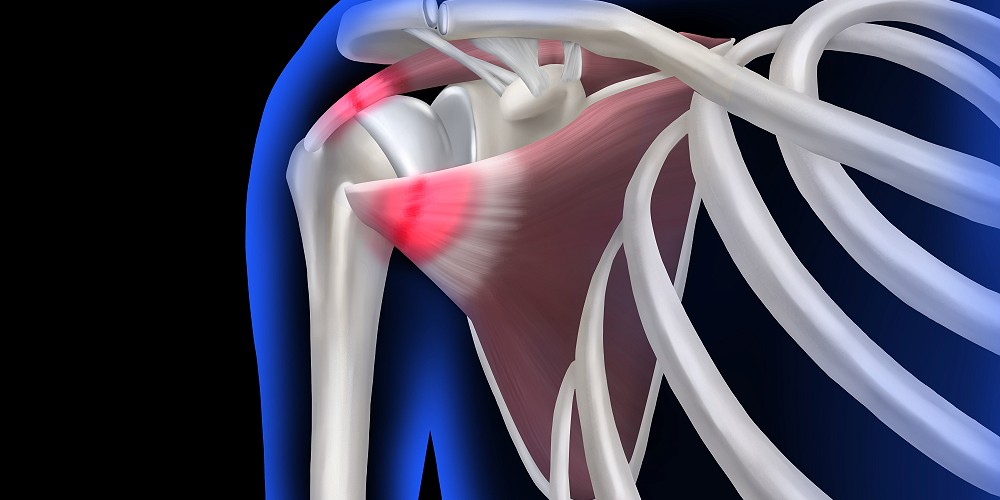
PRP for Rotator Cuff: Hype or Real Healing Power?
Rotator cuff injuries are one of the most common causes of shoulder pain and disability. Whether from repetitive overhead activity, age-related wear or an acute injury, damage to the rotator cuff tendons can make everyday tasks — reaching, lifting, even sleeping — painful and frustrating. While physical therapy remains the foundation of treatment, many patients reach a point where they need something more. That's where platelet-rich plasma (PRP) therapy comes in.
-
 ArticleView Post
Sarcopenia - Age Related Muscle Atrophy
Sarcopenia is a natural, progressive loss of skeletal muscle as we age. Fortunately, this process can be slowed down.
-
 ArticleView Post
The Benefits of Manual Therapy: Much More Than Musculoskeletal Health
Manual therapy is often seen as a treatment for stiff joints, tight muscles, or post-injury recovery. While those benefits are well-documented, what many don’t realize is that the power of manual therapy extends far beyond bones and muscles.